III. Using AI to Improve User Experience
III.a AI’s Place in Design and User Experience
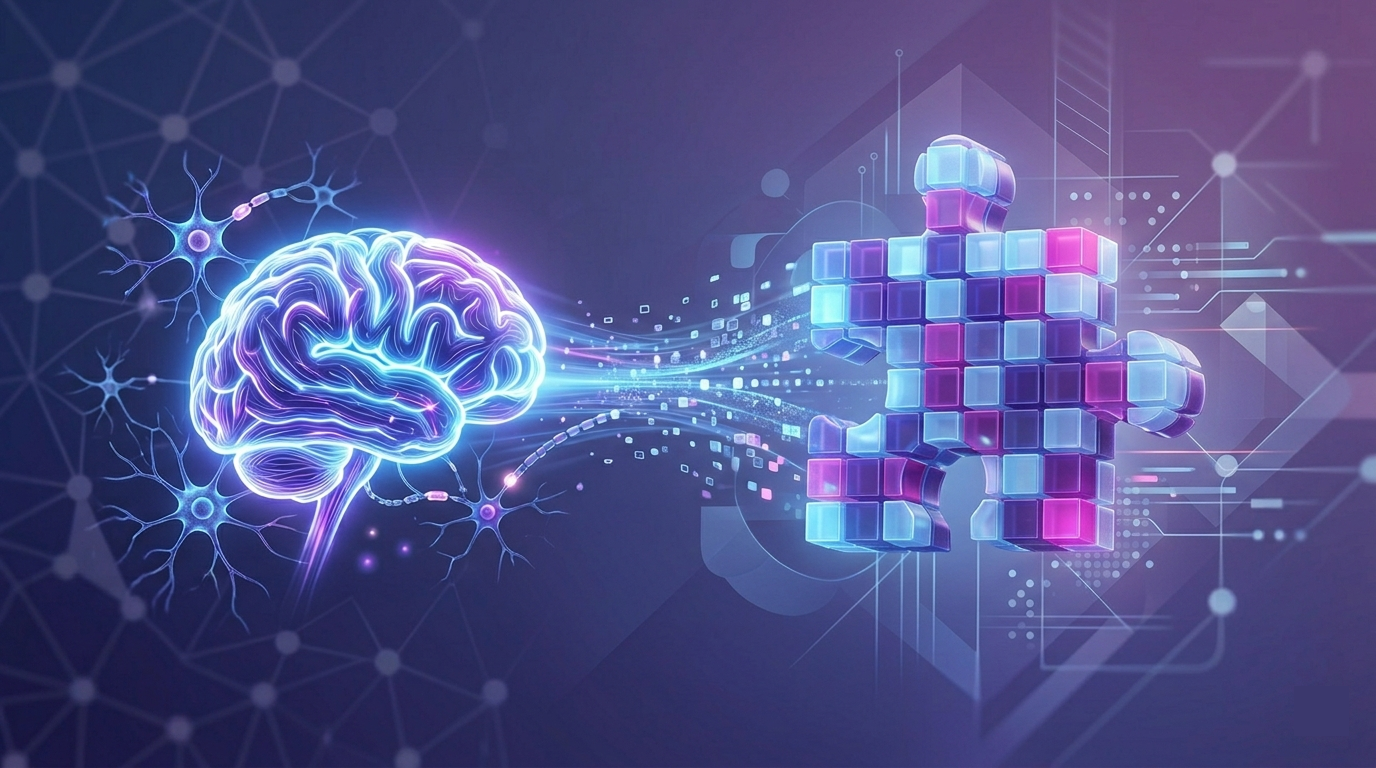
Artificial intelligence (AI) is a game-changer in the dynamic field of user experience (UX) design, transforming the way digital interactions are designed and experienced. This chapter explores how AI is influencing design paradigms and user experiences, focusing on a number of important areas including accessibility and personalization.
Customization and Personalization Driven by AI
One of the most amazing aspects of AI’s impact on UX design is its capacity to offer users individualized and tailored experiences. Artificial intelligence algorithms examine past data, user behavior, and preferences to create personalized recommendations and interactions. By adding a personalized touch, you can increase user engagement and elevate the overall experience by fostering a sense of relevance and connection.
Increasing User Involvement with relevant Suggestions
An important characteristic of AI-driven UX design is intelligent recommendations. AI algorithms can make proactive suggestions for relevant content, products, or features by analyzing the actions and patterns of users. In addition to keeping users interested, this introduces them to features they might not have otherwise found, increasing their engagement with the platform and possibly increasing conversion rates.
Simplifying User Processes and Lowering Resistance
The optimization of user flows has advanced significantly as a result of the incorporation of AI into UX design. Because AI can predict user intentions, interactions can be streamlined and friction points that could cause user frustration are reduced. AI reorganizes pathways and detects possible pain points through predictive modeling, making navigation easier and more effective.
Improving Inclusivity and Accessibility in UX Design
Encouraging accessibility and inclusivity is a critical aspect of AI’s role in UX design. AI-powered features like gesture recognition, voice commands, and screen readers can help designers bridge the accessibility gap and make digital platforms usable by a larger group of users, including people with disabilities. This drive for inclusivity supports equitable access and user empowerment in line with ethical design principles.
The Revolutionary Potential of AI in UX Design
Beyond its component parts, AI has a transformative overall effect on UX design. AI enables data-driven decision-making by providing designers with insights gleaned from enormous datasets. It gives designers the ability to produce experiences that genuinely connect with users, increasing user happiness and loyalty.
The Way Ahead
AI’s place in UX design is only going to grow as technology develops. It is the responsibility of designers to navigate the ethical issues surrounding AI, guaranteeing algorithmic decisions are transparent and equitable. Utilizing the strengths of both human creativity and machine intelligence, collaboration between designers and AI is crucial to creating experiences that are not only aesthetically pleasing but also robustly functional and user-centered.
Digital landscapes are being reshaped by the mutually beneficial relationship between AI and UX design. AI’s influence is evident in everything from streamlined user flows to personalized experiences. Through the adoption of AI’s capabilities and their alignment with user requirements, UX designers can create inventive, inclusive, and captivating experiences that will shape the future of UX design.
III.b AI-Driven Data Analytics for User Experience Optimization
Unlocking UX Excellence with AI-Powered Data Analytics
2.png)
AI-Powered User Behaviour Tracking, AI is now more than just a catchphrase; it’s your go-to tool for deciphering complex user behavior. You can delve deeply into user interactions by using AI’s analytical skills to uncover patterns and insights that were previously hidden in the digital shadows.
Using AI Algorithms to Process User Feedback: Gone are the days of manually sorting through a tonne of feedback. Algorithms that are trained to gather and analyze user input quickly act as your allies. This expedited procedure not only saves time but also turns up priceless pearls of wisdom that can advance your UX optimization endeavors.
III.c AI and User Research as a collaborative team
3.png)
Surveys and Sentiment Analysis Driven by AI
Welcome AI-powered insights. Like a detective, AI sorts through user sentiments to identify feelings and viewpoints that open the door to a more thorough comprehension of user preferences and problems.
Analyzing user journeys and automating testing
AI is your partner in automated testing; it doesn’t stop at analysis. AI automates tedious tasks, such as mapping user journeys and identifying bottlenecks. This gives you more time and allows you to concentrate on making strategic decisions.
The Alchemy of AI: Converting User Data into Knowledge
With AI’s help, user data—once a puzzle—now holds a wealth of insights. You may turn user data into valuable insights that can be put to use by using AI algorithms. Your design decisions are guided by these insights, which help you base your UX decisions on actual user needs.
Traditional user research takes on a whole new level when AI is your research co-pilot. Effectiveness, accuracy, and comprehensiveness come together to strengthen your comprehension of users and produce UX solutions that are genuine.
Validating the data analyzed with AI tools while keeping the context and user needs in mind is crucial when using AI as an accelerator and involving the context in the activities.
III.d AI-Enhanced Design Tools and Workflows
4.png)
AI in Design Integrated Easily
The days of AI being an outsider are long gone; these days, it’s a necessary component of design. To seamlessly integrate AI, you must incorporate its capabilities into your design process. Your design endeavors will be more productive and efficient as a result of this fusion of human creativity and machine intelligence dancing together harmoniously.
The possibilities for creativity and efficiency are endless when AI is your ally in design and as a creative collaborator. These AI-powered tools and workflows foster an environment of infinite creativity and inventiveness while also speeding up your design process.
The following is a list of UX tasks that can be enhanced through the design thinking process:
User research involves conducting user surveys and interviews in a more focused and effective manner.
Using artificial intelligence (AI) to analyze sentiment and extract knowledge from vast databases.
Persona Development: Applying AI to examine user data and improve the precision of personas. Persona creation based on data patterns being automated.
Empathy Mapping: Using sentiment analysis powered by AI to acquire a deeper understanding of user emotions. using data analysis driven by AI to find patterns in user behaviors and attitudes.
Ideation: Using notions and ideas produced by AI to foster creativity. Obtaining ideas for designs from AI-generated suggestions.
Prototyping: AI-powered design tools can improve rapid prototyping and enable more frequent iterations. creating interactive prototypes automatically using user input.
Using AI to classify and rank user feedback to take effective action is known as feedback incorporation. To find out how users will respond to suggested design changes, sentiment analysis is used.
AI facial expression recognition and eye tracking can improve usability testing. utilizing AI to test complex scenarios by simulating user interactions.
Using AI-generated insights to guide design decisions based on user behavior is known as “data-driven decision-making.” examining data processed by AI to find patterns and preferences so that decisions can be well-informed.
AI chatbots are being used to facilitate effective team communication in the design process. Generating reports and documentation automatically to improve teamwork. Design outcomes that are more efficient, data-driven, and creative can be achieved by integrating AI to optimize these UX activities within the design thinking process.
IV. Addressing Ethical Concerns in AI-Driven User Experience Design
5.png)
Artificial intelligence (AI) and user experience (UX) design have changed how we interact with digital goods and services in recent years. Experiences powered by AI present unmatched efficiency and personalization, but they also bring up serious ethical issues.
Privacy and Personalization in Balance
Finding the right balance between protecting user privacy and providing personalized experiences is one of the main issues in AI-driven UX design. Large-scale user data collection and analysis is essential for AI algorithms to customize experiences. On the other hand, worries about identity theft and data breaches are common. Designers need to embrace privacy-first practices to solve this. Building trust and protecting user privacy requires implementing data anonymization, getting clear user consent, and providing fine-grained control over data sharing.
Providing Explainability and Transparency
One major ethical worry is the opacity of AI algorithms. Users have a right to know why AI systems make certain recommendations or decisions. The creation of transparent and comprehensible algorithms ought to be a top priority for designers. This entails following explicit guidelines for human-AI interaction, developing user interfaces that illustrate decision-making processes, and offering explanations for AI-driven results that are comprehensible to humans. In addition to increasing user trust, this transparency gives users the ability to make wise decisions.
Reducing Prejudice and Discrimination
Artificial intelligence algorithms frequently produce biased results because they inherit biases from the data they are trained on. UX designers need to take proactive measures to ensure fairness and reduce biases to address this. This entails using representative and diverse datasets for training, applying debiasing methods, and routinely checking AI systems for discriminatory patterns. To preserve the ideals of inclusivity and justice, designers and developers must step in when AI-driven decisions exhibit possible biases. This is why human oversight is still essential.
Human-Centric AI Best Practises
Human values and well-being must come first in ethical AI-driven UX design. It is critical to create thorough human-centric AI guidelines. The principles of data security, informed consent, user autonomy, and ongoing monitoring should all be included in these guidelines. Designers ought to view AI as a tool that enhances human experiences rather than as a stand-alone entity. It is possible to make sure that AI systems comply with these rules and continue to meet user needs by conducting frequent audits, reviews, and user feedback requests.
Alongside significant ethical challenges, the incorporation of AI into user experience design offers a transformative opportunity. Achieving a responsible and ethical AI-driven experience requires balancing privacy and personalization, guaranteeing algorithm transparency, and reducing biases. Designers may use AI to improve user experiences while respecting users’ rights and values by following human-AI interaction guidelines and upholding the values of fairness and inclusivity.
V. The Future of AI in companies that embarrassed User Experience
6.png)
Artificial intelligence (AI) is a transformative force that has the potential to reshape user experience (UX) design in today’s dynamic business landscape. AI has enormous potential, ranging from reimagining interactions to anticipating user needs. But before companies set out on this revolutionary journey, they need to be ready to face obstacles and seize growth opportunities.
AI’s Potential to Change UX Design Paradigms
AI integration has the potential to elevate UX design to previously unheard-of levels. Artificial intelligence (AI) can anticipate needs proactively by analyzing user behaviors and preferences, resulting in hyper-personalized experiences that greatly appeal to users. Envision user interfaces that fluidly adjust to personal preferences, guaranteeing that each exchange is pertinent and easy to understand. AI can automate design tasks, reducing repetitive workloads and freeing up designers to concentrate on creating amazing experiences. This is just the tip of the iceberg in terms of its potential.
Seeing Obstacles, Seizing Opportunities
Even though AI has incredible potential, it’s critical to approach its integration with a clear understanding of the difficulties. Finding the ideal balance between privacy and personalization is one such difficulty. Businesses have to walk a tightrope between providing personalized experiences and honoring user privacy concerns regarding their data. To prevent inadvertent biases or exclusion, the ethical ramifications of AI-driven design decisions also need to be carefully considered.
All challenges, though, present a chance for improvement. Companies can become leaders in AI-powered UX design and create new benchmarks for user satisfaction and engagement by taking on these challenges head-on.
Methods for Maintaining Leadership in AI-Powered UX Design
In order to stay at the forefront of AI-powered UX design, businesses can implement various tactics:
- Invest in Research: Keep an eye out for new developments in AI and how they might relate to UX design. Businesses will be able to successfully utilize emerging technologies with this proactive approach.
- Human-Centered Approach: Although AI is capable of forecasting user behavior, human interaction must always be present. Combine user research and AI insights to produce data-driven and compassionate experiences.
- Iterative Design: Adopt a user-feedback-incorporated, iterative design process. This method guarantees that improvements powered by AI are always in line with what users want and need.
- AI Ethics Framework: Develop guidelines for AI usage that prioritize transparency, fairness, and inclusivity. Make an effort to eradicate prejudices and guarantee moral design choices.
UX Design Enters a New Age
There is no denying AI’s revolutionary potential for UX design as businesses get ready for the future. Businesses can redefine user engagement by addressing obstacles and seizing opportunities to create experiences that are not only personalized but also morally enriching. A new era of innovation, empathy, and continuous growth in UX design can be spearheaded by companies that embrace AI’s capabilities while adhering to human-centric design principles. Examining how AI-powered UX design contributes to real business growth is crucial, as it offers previously unattainable levels of personalization and efficiency.
AI-Powered User Experience: The Activator for Organisational Change
Businesses can provide highly personalized experiences that appeal to specific users by utilizing AI’s predictive powers. Increased customer satisfaction, stronger brand loyalty, and eventually repeat business are the results of this increased engagement. AI also simplifies procedures, which improves operational efficiency and lessens friction in user interactions. However, the real value of AI-driven UX is found in how it can be measured and applied to different business domains.
Measuring the Effect on Business Operations
Operations can become more efficient thanks to AI’s capacity to automate repetitive processes and offer data-driven insights. Imagine an e-commerce platform that applies artificial intelligence (AI) to analyze user behavior and preferences to customize product recommendations. This results in a notable increase in conversion rates in addition to improving the user experience. The company’s operating expenses and revenue are directly impacted by these quantifiable increases in efficiency and conversion.
Increasing Client Contentment: A Measurable Benefit
Customer satisfaction affects business success in a way that can be measured; it’s not just a qualitative indicator. AI-driven UX design provides experiences that are in line with personal preferences, which increases customer satisfaction. Customers are more likely to make repeat purchases and recommend the company to others when they feel appreciated and understood. Businesses can see measurable gains in customer retention rates, Net Promoter Scores (NPS), and Customer Lifetime Value (CLV) with AI-powered personalization.
Increasing Customer Satisfaction: A Measurable Advantage
Customer satisfaction is more than just a qualitative indicator—it has a measurably impactful effect on business success. Customer satisfaction rises when personalized experiences are delivered through AI-driven UX design. When customers feel valued and understood, they are more likely to make repeat purchases and refer the business to others. AI-powered personalization can help businesses see quantifiable improvements in customer retention rates, Net Promoter Scores (NPS), and Customer Lifetime Value (CLV).
Calculating the Success Ratio
To quantify the effects of the new era of AI-driven UX design, businesses can concentrate on important metrics like:
- Conversion Rate Increase: Calculate the percentage of higher conversions that can be ascribed to improved UX and personalization enabled by AI.
- Enhancement of Customer Retention: Determine the increase in rates of customer retention that are associated with better experiences.
- Gains in Operational Efficiency: Calculate the financial savings brought about by fewer manual interventions and more efficient processes.
- Incremental Revenue Generation: Evaluate the extra money that comes in as a direct result of happier customers and higher levels of engagement.
Accepting the Future
Businesses need to understand that the impact of AI-driven UX design extends beyond abstract ideas of enhancement as they embrace this new era. It has a tangible, measurable, and transformational effect. Businesses can verify the benefits of AI-powered UX and improve their long-term growth strategies by carefully analyzing the quantitative results across a range of business domains. Those who take advantage of AI’s ability to produce outstanding user experiences and produce real success in the dynamic business environment will be the ones in the future.
VI. Conclusion

Acknowledgment of AI’s Revolutionary Impact
AI has had a profound impact on UX design, contributing to individualized experiences, data-driven insights, and more efficient interactions. Its status as a technological marvel has evolved, and it now perfectly blends into the concept of user-centric design. Artificial Intelligence (AI) has had a huge and transformative impact on everything from user flows to predictive recommendations.
Promoting Creativity and Cooperation
In terms of the future, the combination of AI and UX design is pushing the sector to new heights of creativity and cooperation. Through this fruitful collaboration, designers can combine their creative intuition with AI’s analytical capabilities. At this juncture, new and exciting opportunities present themselves, beckoning designers to participate in a constantly changing field of exceptional design.
A Guarantee of Joy for Both Companies and Consumers
Beyond convenience and beauty, AI-driven UX design holds great promise. For companies, it’s a route to increased client interaction, data-driven planning, and unmatched expansion. Users now live in a world where interactions are personalized journeys that anticipate their needs and desires, rather than just transactions. The combination of these promises heralds the arrival of a user-centric and business-enhancing digital era.
As we come to the end of this investigation, the development of AI in the story of UX design serves as a symbol of the incredible potential we are about to realize. We are still on our journey, inviting designers, companies, and users to embrace this transformative force and work together to co-create experiences that uplift, inspire, and resonate.
The future is not just a blank canvas waiting to be painted in the grand symphony of AI and UX; rather, it is a partnership that unites technological prowess with human inventiveness. We set out on a journey together where the essence of AI fuels the design innovation beacon and user experiences serve as a testament to this harmonious convergence.Explore the transformative impact of AI on UX design in this comprehensive article. Learn how AI enhances user experiences through customization, personalization, and streamlined processes. Dive into ethical considerations, AI-driven data analytics, and the future of AI in shaping user-centric digital landscapes. Discover the potential of AI to revolutionize user engagement, operational efficiency, and the overall success of businesses.