Get in touch

User Experience with AI: Empowering Businesses and Users (Part 1)

User-Experience-with-AI-Empowering-Businesses-and-Users-1

I. Introduction

The constantly evolving landscape of user experience and AI is a captivating narrative within the realm of design and technology.

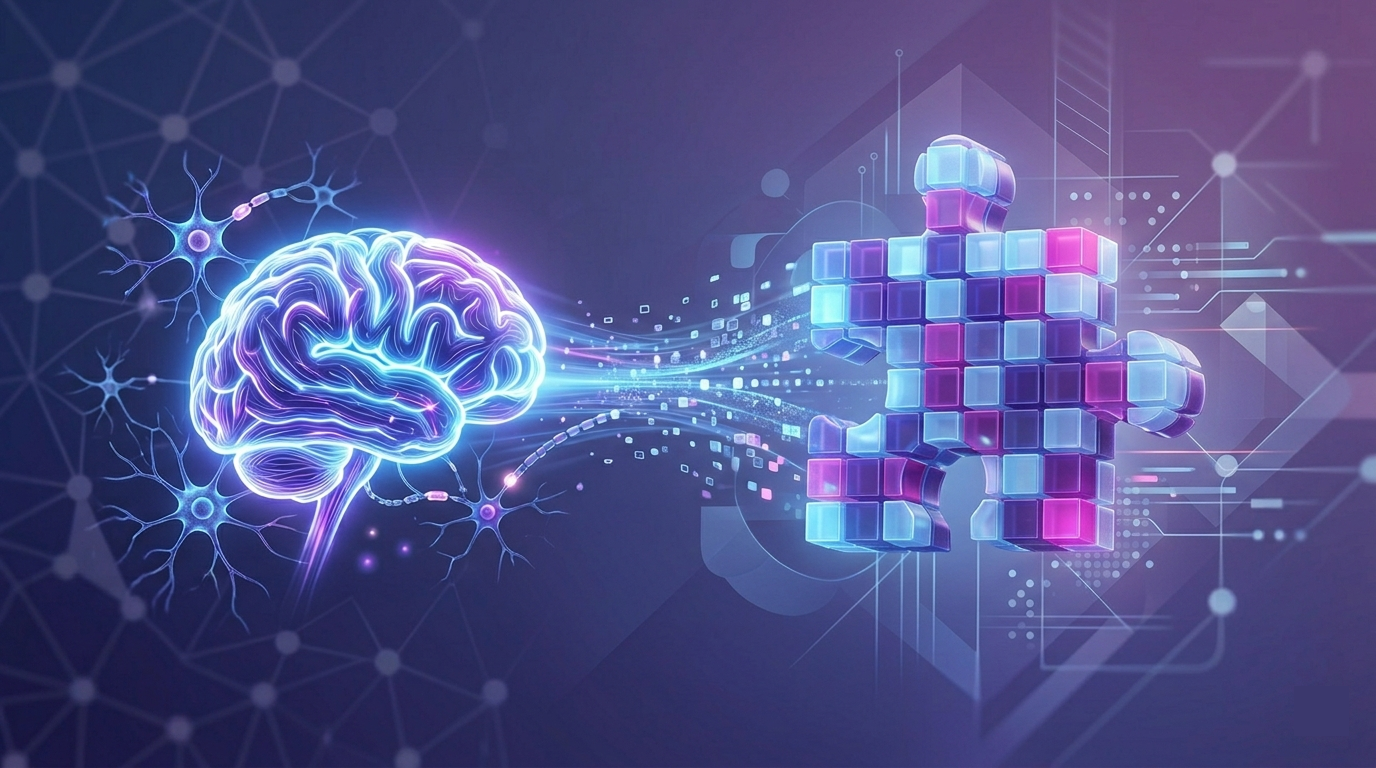
UX serves as a guide, directing the convergence of human interaction and digital advancement. However, a new element has entered the stage: artificial intelligence. In this article, we delve into the potential for UX and AI to revolutionize the way users engage with digital experiences, exploring the trends and impacts that may redefine our interactions with technology.

Exploring the Role of AI in Shaping User Experience.

According to renowned UX expert Nielsen Norman, AI is a groundbreaking technology that offers a wide range of capabilities, from predictive analysis to machine learning. In the world of user experience, AI acts as a catalyst, sparking a revolution that elevates our interactions beyond simple transactions. As we delve deeper into understanding AI’s role in UX, we discover how algorithms can enhance our work by delivering creative and optimized experiences.

Exploring the Vital Role of AI in Enhancing Modern UX

In today’s digital landscape, AI has revolutionized the way we approach UX design. Its ability to enhance user-centricity is undeniable, as evidenced by the incredibly seamless and personalized experiences it helps create. By melding AI’s potential with carefully crafted design, we have unlocked its potential to exceed even our loftiest expectations. Where once the design process relied solely on human creativity, we now have a powerful ally in AI’s arsenal of personalized recommendations, anticipatory behaviors, and streamlined interactions. Together, they have transformed modern UX, placing the user at the very core of the design journey.

Experience the Duality of AI: Revolutionizing the Customer Experience.

AI-generated image using as prompt “Experience the Duality of AI: Revolutionizing the Customer Experience”, using freepik ai generator image tool

In the realm of AI and UX, a fascinating dual perspective emerges – that of the designer and the user. Designers are empowered by AI with a wealth of tools that streamline processes, accelerate decision-making, and ignite imaginative thinking.

Meanwhile, users are immersed in a world of personalized experiences, where AI adapts interactions based on individual behavior, preferences, and requirements. This dynamic interplay between designer and user ultimately creates a comprehensive approach to customer experience, fueled by cutting-edge design and unbridled user satisfaction.

As we navigate through the multifaceted landscapes of AI and UX, we unveil the intricate connections between technology and empathy. In the upcoming segments, we will deeply examine the intricate facets of this dynamic bond, delving into how AI’s emergence as a powerful force influences enterprises, users, and the fundamental principles of design. Through this insightful exploration, our goal is to shed light on the immense transformative possibilities that await at the intersection of AI and contemporary user experiences.

II. Unleashing the Power of AI: Real-World Examples in Enhancing User Experience

Boosting Businesses and Delighting Users

AI-generated image using as prompt “Unleashing the Power of AI: Real-World Examples in Enhancing User Experience, Boosting Businesses and Delighting Users”, using freepik ai generator image tool

AI and UX design are collaborating to produce incredible experiences.

Imagine a world in which AI and UX design work in unison to produce amazing results. It’s about elevating the whole user experience to heights we never imagined imaginable, not simply about making things seem nice!

Take the following scenario: you’re looking through an online retailer for the ideal pair of shoes. All of a sudden, whoa! Personalized suggestions that appear to know your style better than your closest friend are presented to you. How is that taking place? Our AI companion is hard at work, examining your tastes and actions to ensure that your shopping experience is as effortless as ice cream on a sweltering summer day.

Let’s now discuss the business aspect of things, since who doesn’t enjoy a rise in revenue? Assume the role of an internet retailer. AI can give you a completely new perspective on your customers. We discuss insights that have the power to mold your approach in the same way that a skilled sculptor shapes clay. AI may assist you with data analysis, trend identification, user psychology, and creating experiences that convert infrequent visitors into devoted followers.

Imagine that your customers feel as though your product was created specifically for them. Without exerting any effort, they are obtaining their desired outcome. It’s similar to having an understanding personal assistant. And when users are content, what happens? Their persistence and word-of-mouth marketing translate into an unexpected increase in your user base.

AI is no longer some futuristic, sci-fi concept. It’s here, it’s real, and it’s completely changing the way we design experiences. By providing organizations with insights, it aids UX designers.

Events that have already had an impact:

AI-Powered User Personalization:

  • Personalized experiences and suggestions based on user activity.
  • Customers are more satisfied when they feel heard and cared for.

Data analysis for Business Insights:

  • AI processes data to identify patterns and user preferences.
  • Businesses improve their products and strategies by making well-informed judgments.
  • Improved fit with user requirements results in more devoted customers.

AI User Experiences That Are Smooth:

  • AI reduces friction by streamlining user journeys.
  • By anticipating user demands, predictive capabilities help users save time and effort.
  • Users benefit from easier navigation and more seamless interactions.

Increasing User Satisfaction:

  • Individual significance is cultivated through personalized experiences.
  • Content customers stick around and recommend the product to others.
  • Positive word-of-mouth propagates and increases the number of new users.
  • Customer retention is supported by enhanced user satisfaction.
  • Increased rates of conversion are the result of improved user experiences.
  • Businesses prosper when they combine expansion with loyalty.
  • The industry is driven forward by the combination of AI and UX design.
  • AI and designers working together inspire innovative ideas.
  • The emphasis on the user becomes a cornerstone of design approaches.

We play a very important role in the field of UX design. It involves an ongoing process of learning and establishing useful techniques that genuinely improve the lives of people. Even though we’ve come a long way, there is still much to discover and learn, especially in terms of how AI and user experience can work together.

Best practices and lessons learned

AI-generated image using as prompt “Best practices and lessons learned”, using freepik ai generator image tool

Now is the perfect moment to examine the knowledge we have gathered and investigate the fundamental best practices related to incorporating AI into our UX design proficiency. Please get ready as we are going to delve into a world of priceless information and experience:

Just as Rome wasn’t built in a day, so too is a faultless AI-driven user experience. Start small, dream big.

Best Practice: Start with AI integrations that are doable, like tailored suggestions. Recall that you can learn and adjust without overwhelming your users or yourself by expanding gradually.

Take Good Care of Your BFF, Data:

Instruction: Data is the source of AI’s power, but garbage in, garbage out, right?

Optimal Approach: Provide wholesome, varied, and pertinent data to your AI.

Make sure you’re not starting with prejudices or false information.

Openness Is the Coolest Rule:

Instruction: Users value being aware of when AI is making decisions.Best Practice: Communicate openly how AI affects the user experience.

Creating a strong foundation for a skyscraper is similar to elucidating how AI makes decisions to build trust.

Variety Is Important, Even for Algorithms:

Lesson: If we’re not careful, AI may unintentionally magnify biases.

Optimal Approach: Examine your algorithms for any inequitable or unexpected effects.

To maintain fairness, embrace diversity in both your team and your methods.

Being adaptable is your superpower:

Lesson: AI is a dynamic companion to UX, not a static technology.

The best approach is to design with flexibility so AI can change to meet changing needs.

Remain flexible and ready to gradually improve your AI solutions.

Reaction: Greater Gold than a Pot of It

Lesson: The real gold mine for improvement is user feedback.

Best Practice: Gather user feedback and sort it using artificial intelligence.

You’ll uncover pearls of wisdom that direct your UX improvements.

Ethics cannot be compromised:

Instruction: We need to actively participate in the crucial discussion of AI ethics.

Best Practice: Consistently check your AI for biases and possible moral dilemmas.

Put the needs of the user first; this will serve as your design’s compass.

Working Together: A Party!

Lesson: AI is our co-worker, not a substitute for designers.

The best course of action is to encourage peaceful cooperation between AI and human creativity.

When human intuition and data-driven insights are combined, magic happens.

Education Is Always Cool:

Lesson: The fields of AI and UX are constantly innovating.

Best Practice: Continue to learn, be inquisitive, and keep up with developments in AI.

User Experience with AI- Empowering Businesses and Users 5
AI-generated image using as prompt “Assessing the Value Added by Integrating AI into a Project“, using freepik ai generator image tool

Crucial choices must be made in the process of creating products with a human-centered design: Who are the end users? What values direct them? What problems need to be solved? How can these answers be thought of? Finally, how do we ascertain the point at which we have achieved the ideal user experience?

Understanding the channels through which AI integration can highlight exceptional value is essential to this effort. To achieve this, a methodical assessment must be conducted to pinpoint the precise moments at which artificial intelligence can be fully utilized to align with user needs.

A few wise guidelines can help direct this process:

1. Determining the Interaction of User Needs and AI Capabilities:

  • Resolving concrete user problems where AI offers clear benefits is the cornerstone of AI implementation.
  • Look for problems where AI can provide a fresh perspective and encourage effective problem-solving.

2. Weighing Automation Against Augmentation: It’s Important to distinguish between the two.

  • Automating laborious, boring, or scalable tasks is possible.
  • Give automation of tasks with a well-defined “right” approach priority.

On the other hand, tasks that are socially valuable or have subjectivity should be primed for augmentation.

3. Developing and Assessing the Reward System:

  • The key to determining AI’s success or failure is its “reward function.”
  • Utilise a cross-functional team’s expertise to collaboratively design this function.
  • Optimise it for long-term user benefit while considering the impact that the product will have on others.

Whenever feasible, let users know about this reward system to promote understanding and openness.

Determining the integration value of AI becomes a more methodical and sophisticated process by navigating these guiding principles. The objective is to align AI’s capabilities with user-focused requirements, thereby generating a mutually beneficial effect that enhances the project’s likelihood of success.

When evaluating the value that AI integration brings, it is essential to carefully take into account user needs, AI capabilities, and ethical design. The resulting combination may enhance the project’s inherent value for the end users as well as its technical aspects.

When is it appropriate to use AI Potential for an AI Solution?

  • Core experience necessitates giving various users different content recommendations.
  • Predicting future events is essential to the core experience.
  • Customization will enhance the user’s journey.
  • Natural language interactions are necessary for the user experience.
  • It is important to identify a broad category of items that is too big to describe in detail for each instance.
  • It is essential to identify infrequent but ever-changing low-occurrence events.
  • A chatbot or agent experience tailored to a particular domain
  • Predictability has no bearing on user experience.

More to discuss in the upcoming episodes.

The second section of this post will explore artificial intelligence (AI) as a tool and collaborative aid for businesses, showing how it can improve UX work and add value to projects.

In addition, we’ll discuss some best practices for integrating AI into projects, offer additional insights into the potential applications of AI in the user experience process, and address ethical issues.

We’ll sum up by saying that our exploration of the mutually beneficial fields of AI and user experience design has shed light on the significant changes and opportunities that lie ahead. When we review AI’s influence on design, we find that it has completely changed not just how people interact with digital interfaces but also what creativity and innovation are.

Keep checking back, and don’t be afraid to get in touch with us if you have any incredible ideas; we can help bring them to life.

Leave a Comment

Your email address will not be published. Required fields are marked *

Apply Form

Fill out the form with your contact information.
Please enable JavaScript in your browser to complete this form.