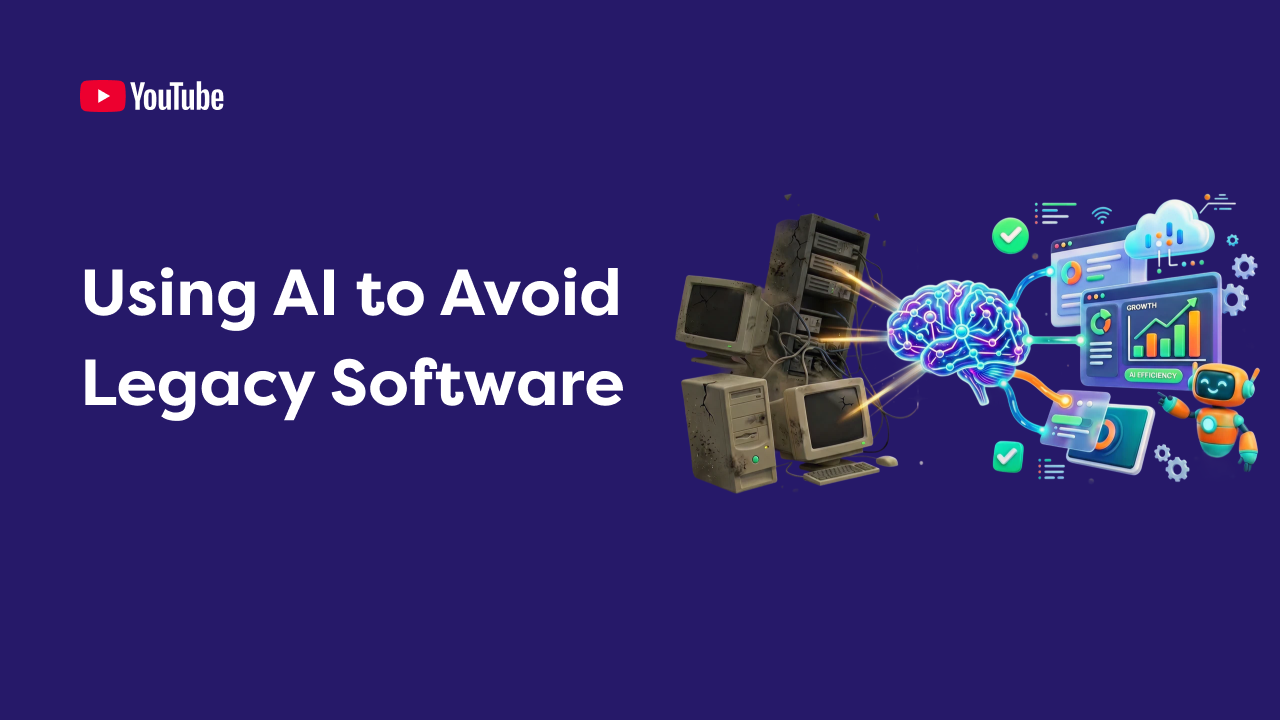
In an era of rapid technological advancements, traditional sectors face a critical challenge: how to adapt and thrive in a digital world faster than the competition. Let’s explore the journey of digital transformation, focusing on the user experience to have a competitive advantage, the pain points of outdated software, and actionable steps to propel these sectors forward.
1. Understanding Traditional Sectors
Traditional sectors encompass industries like manufacturing, oil and gas, automotive, infrastructure, retail, legal, transportation, and pharmaceuticals. These sectors have long-standing processes, legacy systems, and established norms. However, they are now at a crossroads, compelled to embrace digital transformation to remain competitive. They are facing new competitors in the market, that are more agile to adapt and take advantage of the opportunities and a more sophisticated demand.

2. Pain Points of Old Software
Outdated software plagues traditional sectors, hindering efficiency, innovation, and user satisfaction. Common pain points include:
- Legacy Systems: Aging software lacks scalability, flexibility, and integration capabilities.
- Inefficiency: Manual processes, redundant data entry, and siloed systems lead to inefficiencies.
- Security Risks: Vulnerabilities in old software expose organizations to cyber threats.
- User Frustration: Clunky interfaces and slow response times frustrate users.
- Old fashion interfaces: Design is proven to help users to have better performances.
- Training costs: High costs to have resources prepared to work in a high-efficiency way.
3. Impact of Not Updating
The consequences of neglecting software updates are severe:
- Competitive Disadvantage: Organizations fall behind agile competitors.
- Operational Inefficiencies: Productivity suffers due to manual workarounds.
- Security Breaches: Outdated systems are vulnerable to cyberattacks.
- User Dissatisfaction: Poor user experiences impact customer loyalty.
- Out of the market: the competition is severe and intense.
4. 10 Actions for Successful Digital Transformation
a. User-Centric Approach
- User Research: Understand user needs, pain points, and expectations.
- Design Thinking: Involve users in ideation, prototyping, and testing.
b. Modernize Technology
- Replace Legacy Systems: Gradually transition to modern platforms.
- Cloud Adoption: Leverage cloud services for scalability and agility.
- API Integration: Seamlessly connect disparate systems.
c. Empower Employees
- Digital Skills Training: Upskill employees for the digital era.
- Change Management: Communicate the vision and involve staff.
d. Enhance User Experience
- Intuitive Interfaces: Prioritize user-friendly designs.
- Performance Optimization: Ensure fast response times.
- Feedback Loop: Continuously gather user feedback for iterative improvements.
5. What to Achieve
- Efficiency: Streamline processes, reduce manual work, and enhance productivity.
- Innovation: Enable new business models, products, and services.
- Security: Safeguard data and systems against cyber threats.
- User Satisfaction: Delight users with seamless experiences.
- Scale: you can re-use to other customers and reduce the acquisition cost.
In conclusion, digital transformation in traditional sectors is not optional—it’s essential for survival. By prioritizing users, modernizing technology, and fostering a culture of innovation, these sectors can thrive in the digital age. Let’s embark on this transformative journey together!
Sources:
https://www.bitsight.com/blog/outdated-software-issues
https://security.googleblog.com/2021/07/measuring-security-risks-in-open-source.html
https://cybersecurity.springeropen.com/articles/10.1186/s42400-021-00084-8