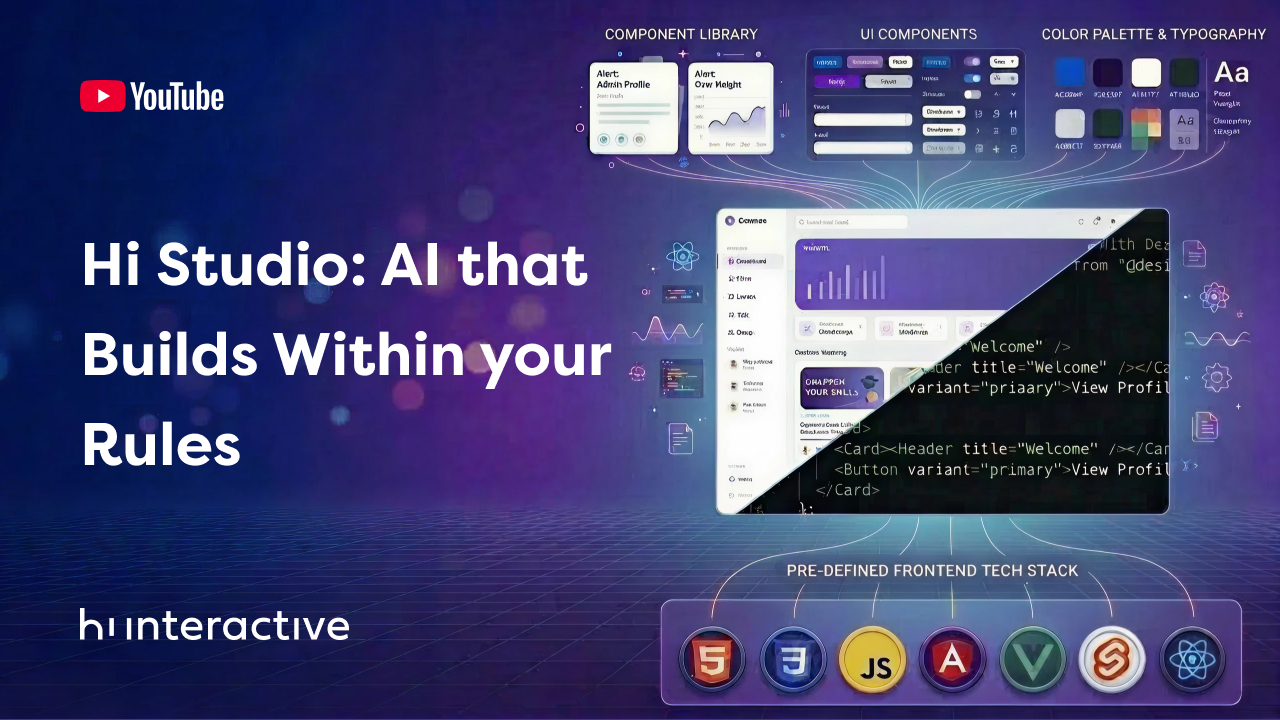
In 2026, organisations are investing more in digital platforms than ever before, yet many still struggle with adoption, consistency, and operational efficiency.
The challenge is no longer a matter of technology capability. It’s experience execution.
Customers expect seamless journeys. Employees expect intuitive tools. Leaders expect speed, predictability, and scalability. When these expectations aren’t met, digital complexity grows faster than business value.
This is why front-end excellence and AI have moved from execution details to strategic priorities.
The Problem: When Digital Systems Outpace User Experience
As platforms evolve, organisations face:
- Fragmented interfaces across products and teams
- Slower time to market due to rework and inconsistency
- Lower adoption of internal tools
- Growing operational friction
- Difficulty maintaining brand coherence
Digital transformation succeeds only when people adopt platforms with confidence and clarity, and that adoption is shaped at the interface level.
The Solution: Front-End Excellence Reinforced by AI
Leading organisations are responding by elevating UX and front-end architecture to enterprise capabilities, and by embedding AI into how experiences are designed, built, and evolved.
At Hi Interactive, this approach is built on three pillars:
- Design systems that create reusable, scalable interface foundations
- Front-end excellence that ensures performance, accessibility, and maintainability
- AI-augmented workflows that accelerate delivery while preserving quality and consistency
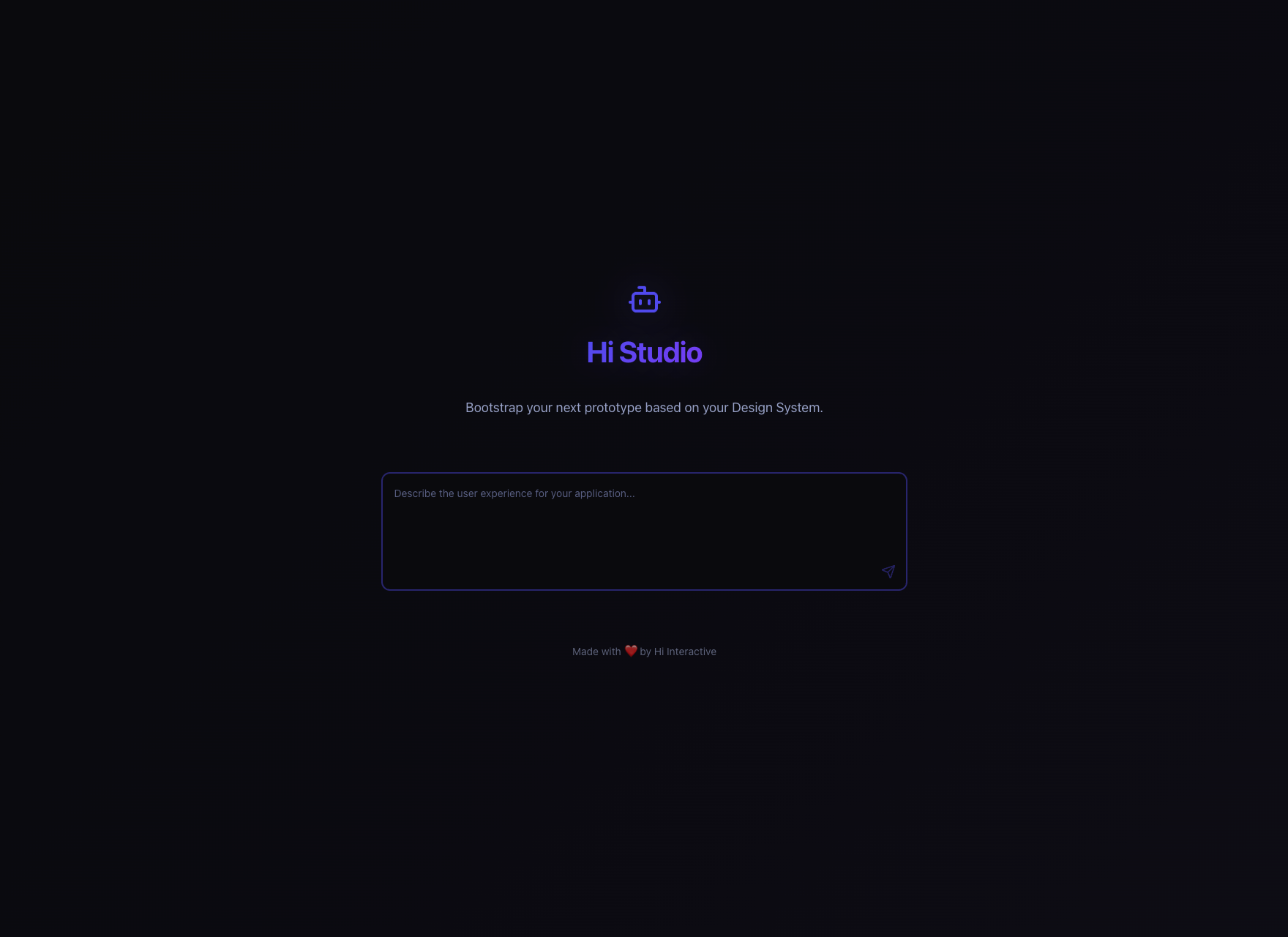
Our latest service, Hi Studio, brings this together — combining human-centered design expertise with AI-driven workflow enhancements. It supports teams in delivering interfaces that are consistent, scalable, and deeply human-centric, while streamlining delivery and reducing operational friction.
The Insights: What This Enables in Practice
Across industries, this model is delivering executive-level outcomes.
Financial Services — Scaling with Confidence
A major financial institution unified multiple platforms under a shared design system supported by AI-assisted workflows.
Outcome: faster delivery, stronger consistency, improved governance.
Transportation & Mobility — Enhancing Customer Journeys
In aviation, digital journeys were redesigned end-to-end, with AI helping refine interaction patterns.
Outcome: higher engagement, increased self-service adoption, stronger brand alignment.
Industry — Enabling Operational Excellence
A global industrial organisation accelerated internal tool deployment using AI-enhanced front-end systems.
Outcome: faster rollout, reduced onboarding time, clearer decision-making.
Professional Services — Elevating Client Experience
Client-facing platforms in legal and professional services were modernised using AI-assisted interface generation aligned with design systems.
Outcome: higher engagement, increased adoption, stronger differentiation.

The Conclusion: A New Executive Advantage
Front-end excellence reinforced by AI delivers compounding value:
- Customers complete journeys smoothly.
- Employees adopt tools quickly.
- Teams deliver faster with fewer redundancies.
- Brands express themselves consistently.
- Leaders gain predictability and scalability.
The organisations that lead in 2026 will not adopt AI or UX in isolation; they will integrate both into how they design, build, and evolve experiences.
This is how complexity becomes clarity, and digital ambition becomes business performance.