Let me start with a quick story.
A while ago, a friend of mine who specializes in OutSystems backend development told me he’d been pushed into frontend work—something he absolutely despises. With zero passion and limited skills in that area, he struggled immensely just to deliver a handful of components.
Shortly after, a dedicated frontend developer joined his team. The new guy ended up having to rewrite my friend’s entire codebase from scratch.
That was a lightbulb moment for me: here was a clear problem that needed a solution. And that is exactly what we set out to build.
Challenges
Naturally, we began by identifying the primary challenges that were holding teams back, using them as our compass to move forward.
CSS is easy… until it’s not
To start, we all know the saying that CSS is just a simple “markup language”—right up until you have to write real, complex CSS. I know this from experience. Often, a designer delivers an interface so intricate that my first thought is, “Well… I am in trouble.“
User Interface Realities
Another common issue is the “it works on my machine” feeling. You might think you’ve done an amazing job on an interface, only for users to come along and completely break the flow. All those hours spent can feel wasted because a critical usability factor was overlooked.
Team Rotation
IT teams can sometimes feel like speed dating: developers stay for a short period and then move on to the next opportunity.
This high turnover creates a massive challenge: how do you avoid losing institutional knowledge? How do you ensure that all team members—both new and old—are building things the same way?
Documentation Hurdles
Then there is the documentation problem. Let’s be honest: nobody likes writing it. But when we have to fix a bug in an undocumented system, we always find ourselves asking, “Why on earth didn’t the person who built this document it?”
Furthermore, bad documentation can often be more confusing than having no documentation at all.
The Consistency Gap
Consistency is the difference between a polished product and chaos. In larger teams, if everyone does things their own way, you end up with dozens of similar blocks, each with different names and implementations. Maintaining that is a nightmare.
Timelines
Finally, the most universal challenge: the timeline. In almost every project, we see a skewed distribution of effort.
Ideally, you’d have plenty of time for every phase, but in reality, development eats up 80% of the schedule, leaving only small slivers for planning, UX/UI, and quality assurance.
I know testing can feel tedious and time-consuming, but it is vital to ensure that all requirements are met. When QA is rushed, issues inevitably slip through to production.
What ends up happening is that this quality assurance is done running and half of the issues stay behind waiting to be found in production.
Solution
Faced with these six challenges, we sat down to brainstorm a way out. It didn’t take long to realize that every team needs a system that can deliver high-quality results consistently, every single time.
We started by defining our key goals:
- Accelerate and standardize delivery: UI development shouldn’t be a bottleneck; it should be an accelerator that doesn’t sacrifice quality.
- Create superior UI components: We want users to look at an application and find it so intuitive they don’t even have to think about how to use it.
- Eliminate repetitive tasks: We want to stop wasting time on the same manual work, which only increases the risk of human error.
- Preserve and reuse knowledge: Teams should build on top of existing knowledge rather than starting from scratch every time someone leaves.
- Enforce best practices: Every developer, regardless of expertise, should be able to follow the same high standards automatically.
- Guarantee accessibility: Accessibility is often the first thing cut when time is tight, but it’s a must-have. We need to ensure applications are usable by everyone.
The solution? An AI agent. An agent intelligent enough to understand OutSystems, OutSystems UI, accessibility standards, and frontend best practices, capable of generating ready-to-use components for the platform.
This agent lives in the browser, available 24/7 to help any developer on the team.
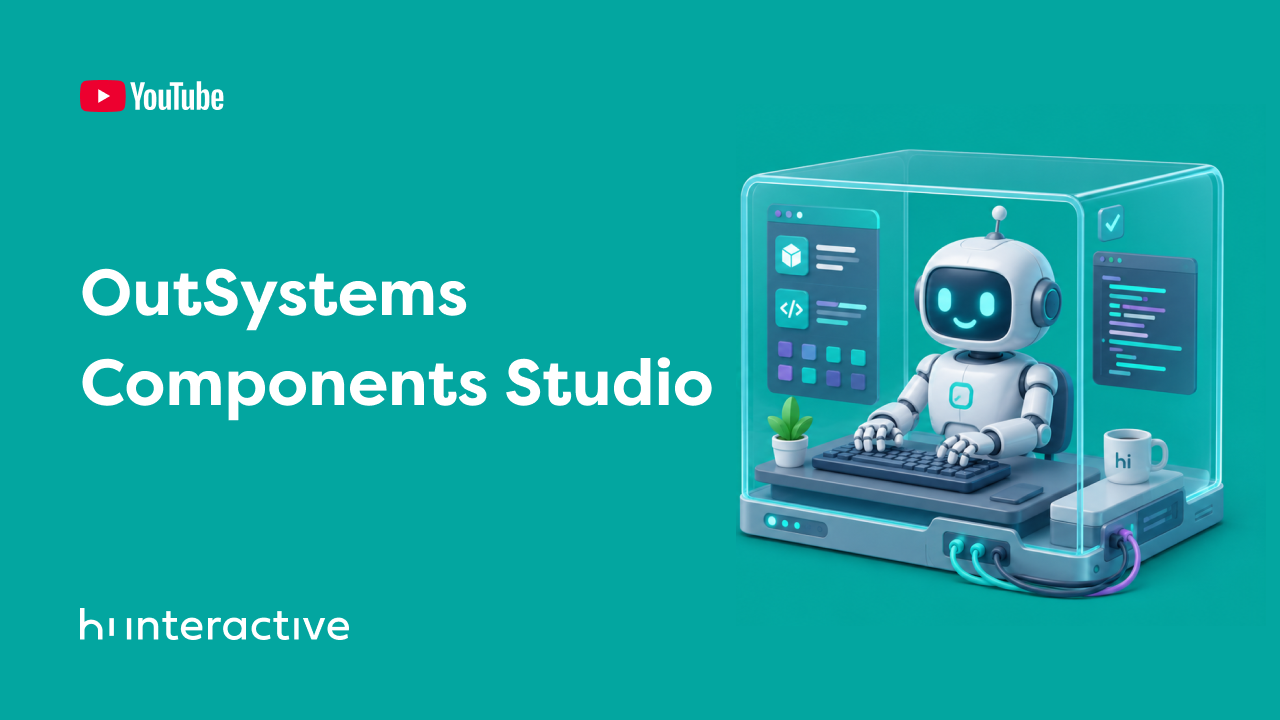
OutSystems Components Generator
We named our creation the “OutSystems Components Generator.” It’s packed with features like an interactive chat, live component previews, and detailed implementation guides.
Main features
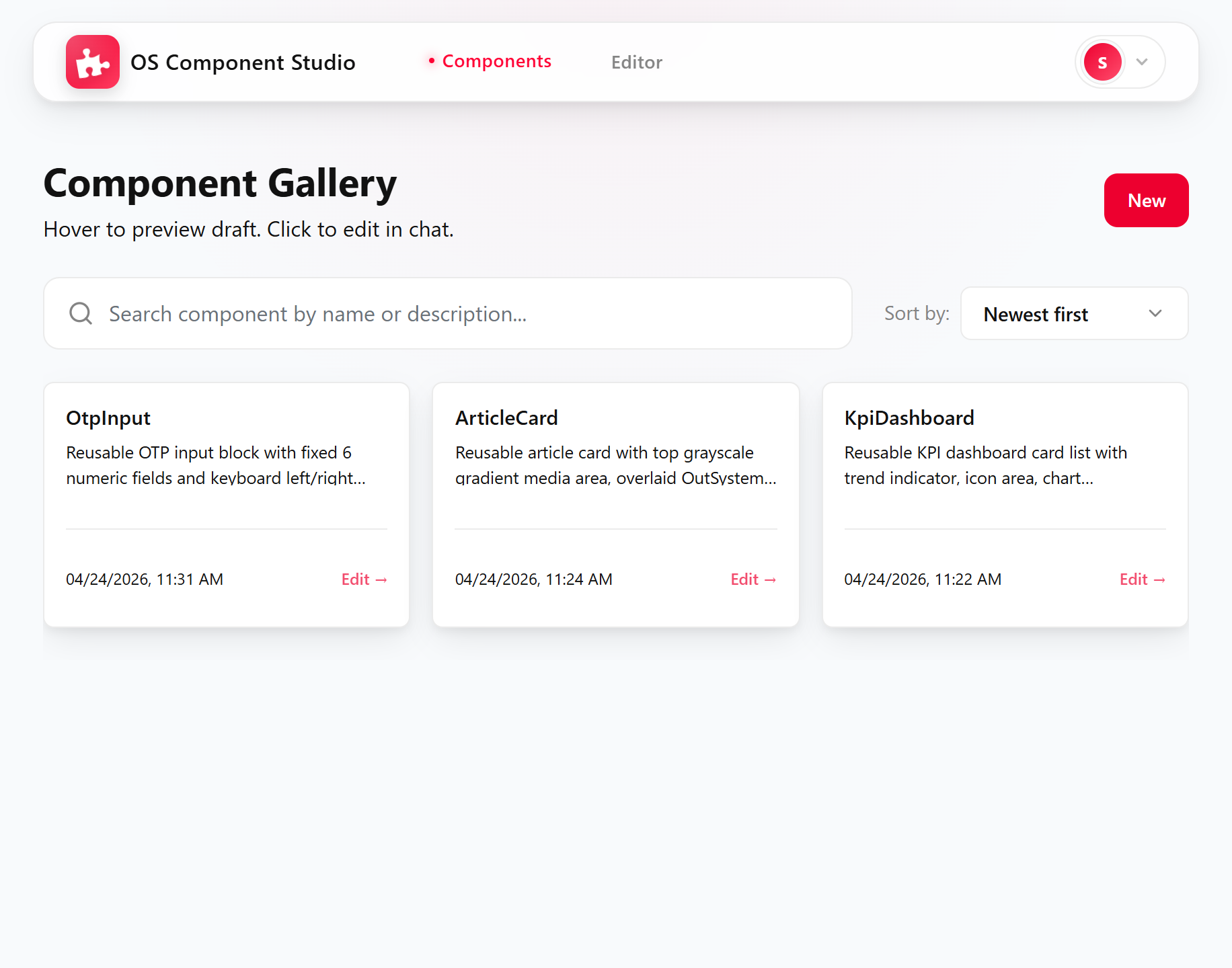
Centralized Component Library
To keep knowledge in one place, the dashboard stores every generated component. Users can review previous iterations, refine what was done, and maintain a consistent library.
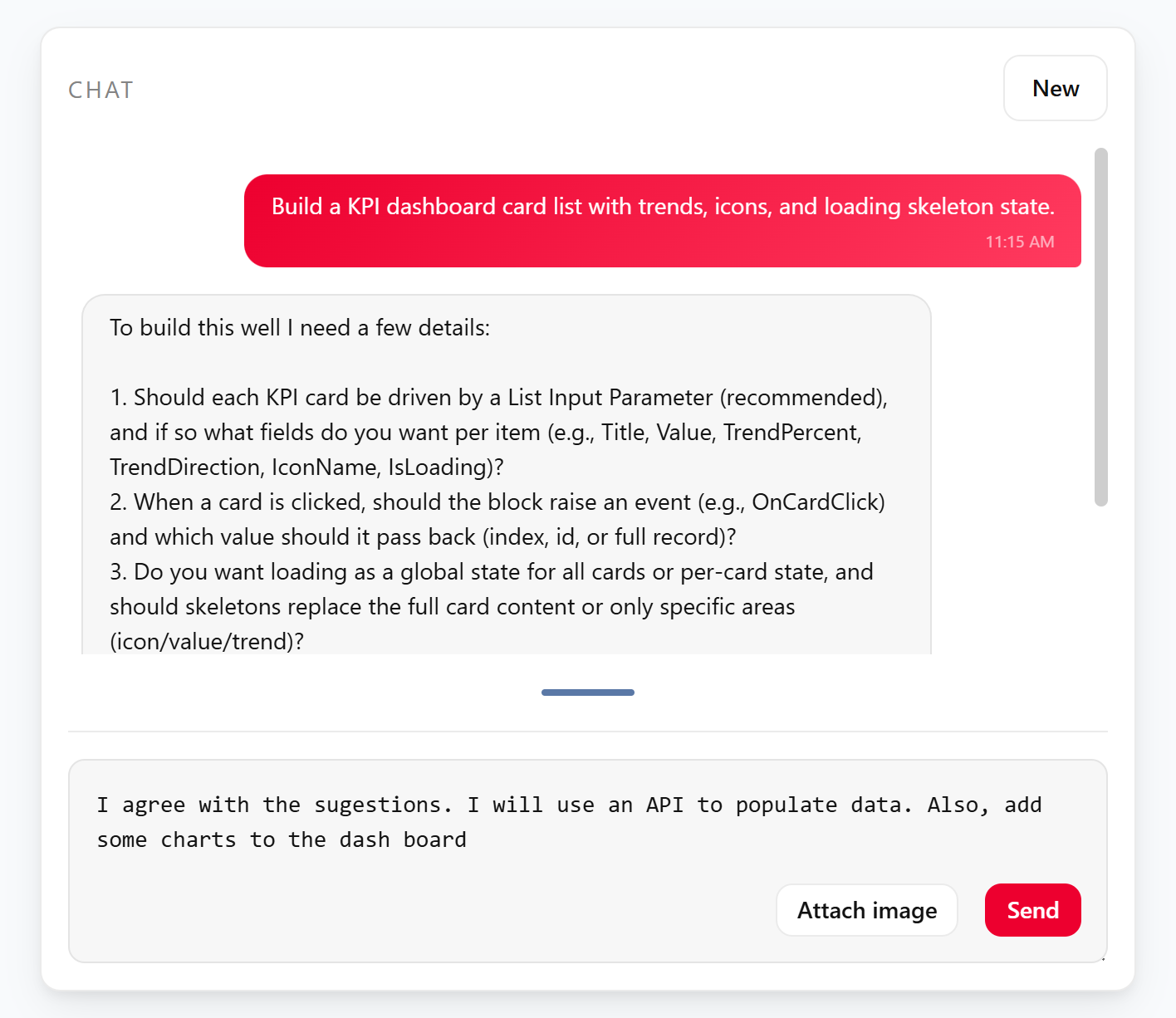
Proactive Planning
The chat interface allows users to iterate with the agent before the first line of code is written. The agent even asks relevant questions to ensure the final result is perfectly aligned with user needs.
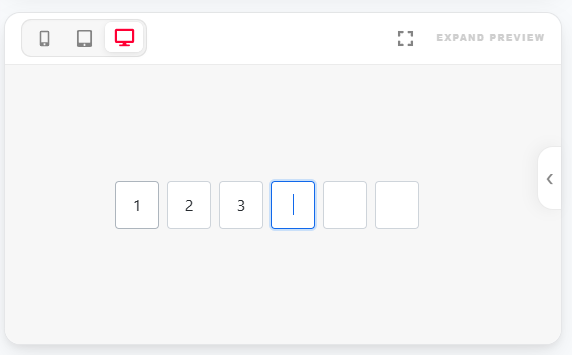
Live Interaction and Testing
Once a component is generated, you can interact with it immediately to verify its behavior and test it across different screen resolutions before you even touch Service Studio.
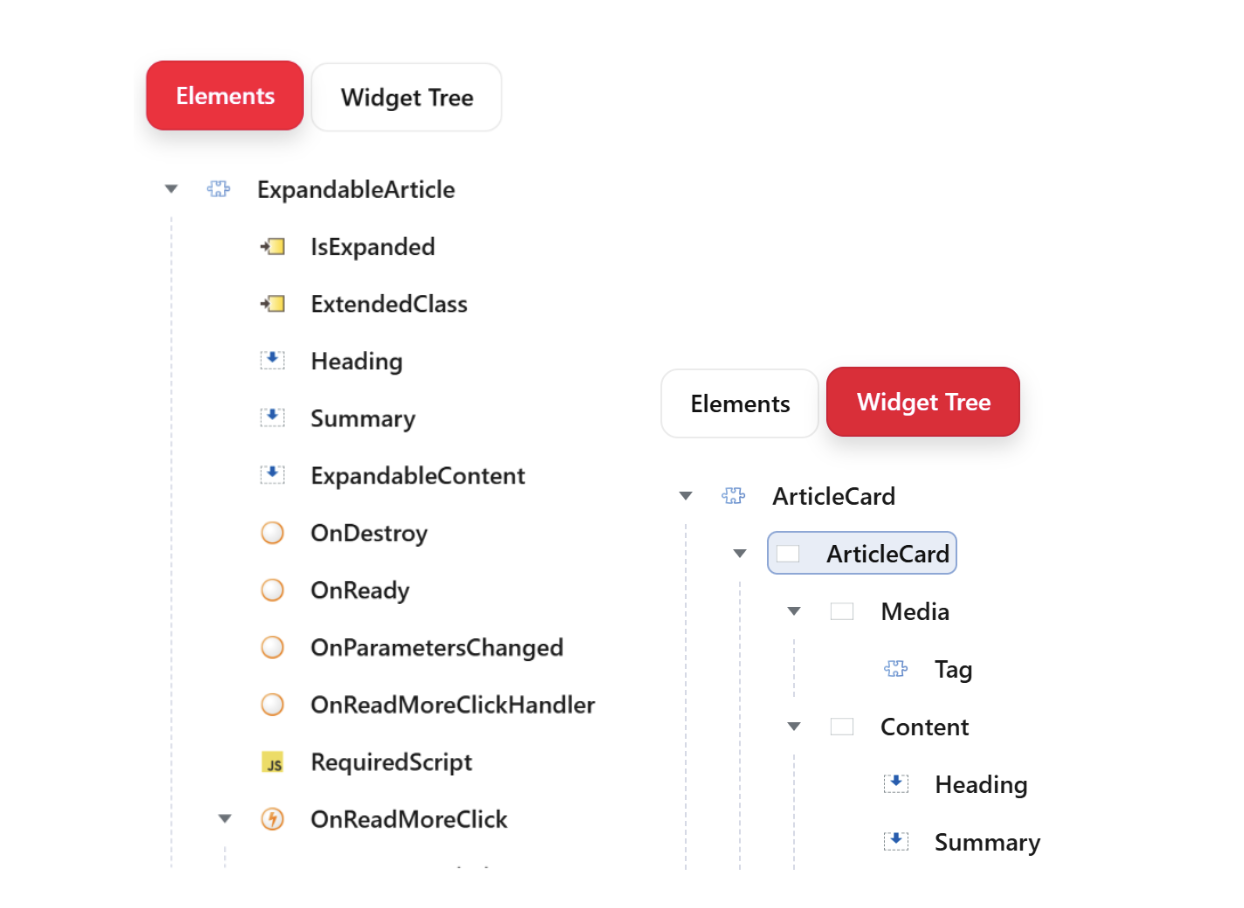
Structural Insights
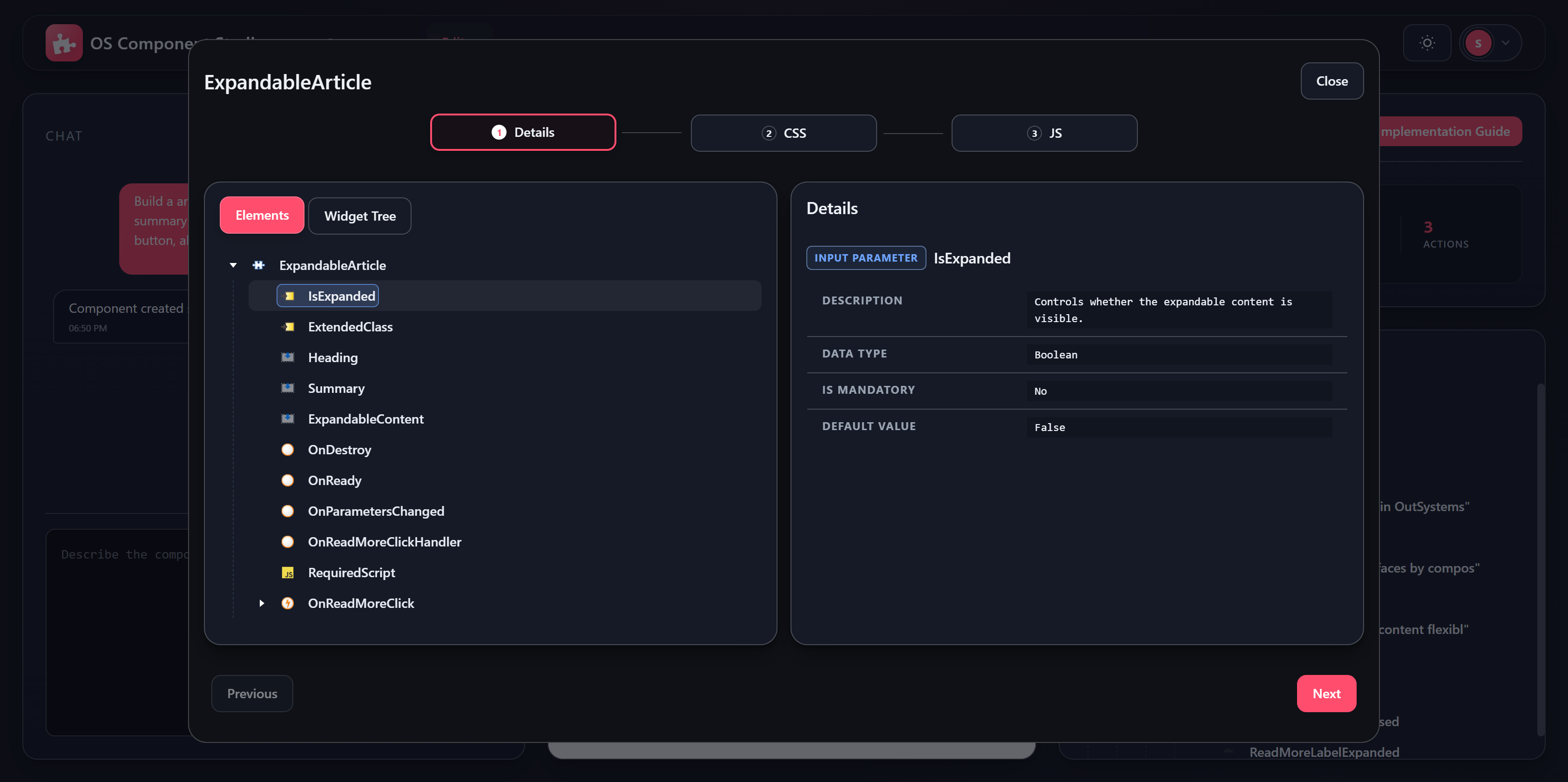
Developers can explore the underlying element tree and the OutSystems-specific widget tree to understand exactly how the component is constructed.
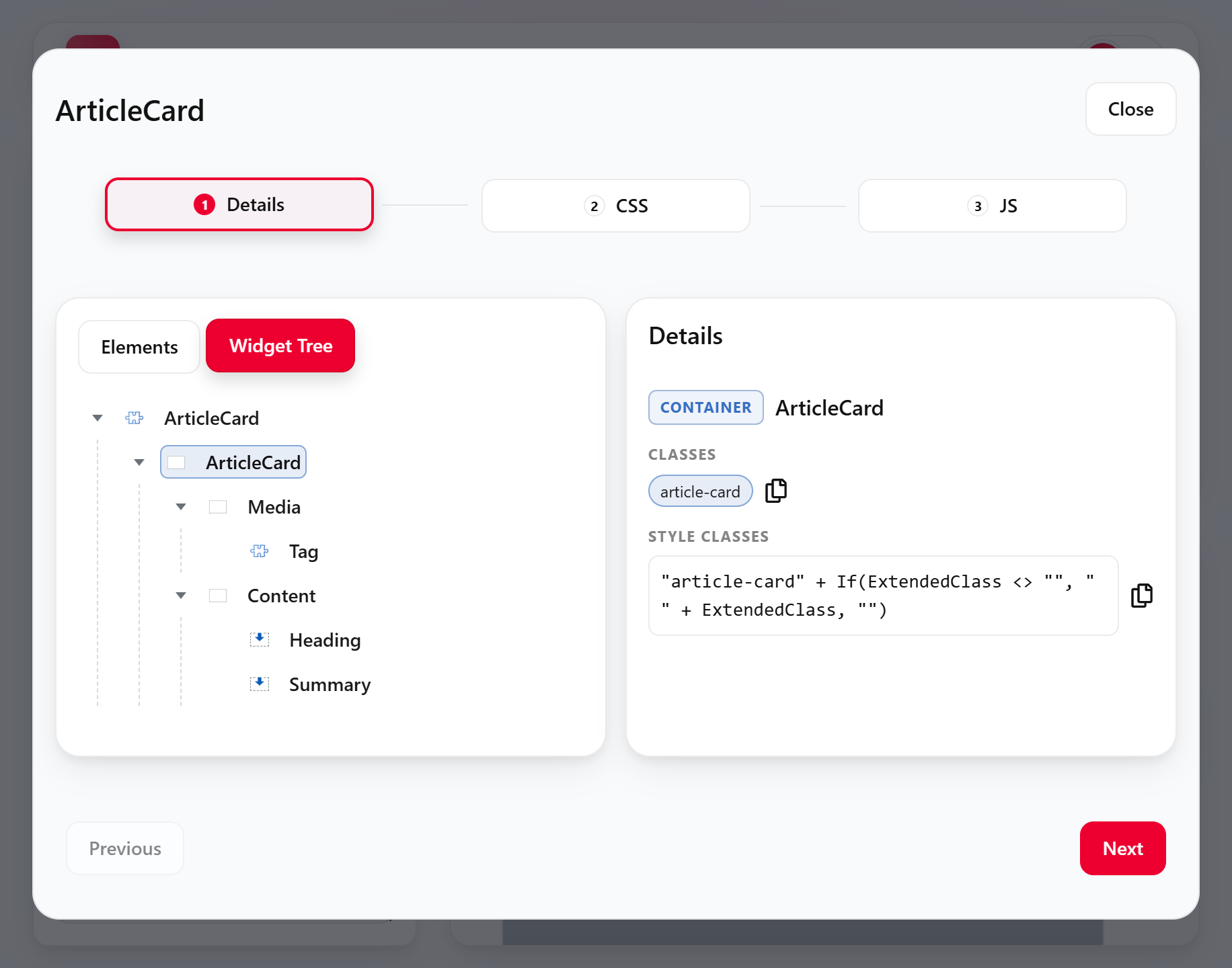
Step-by-Step Implementation Guide
The agent doesn’t just give you code; it provides a detailed, step-by-step roadmap to help you implement the component correctly within the OutSystems platform.
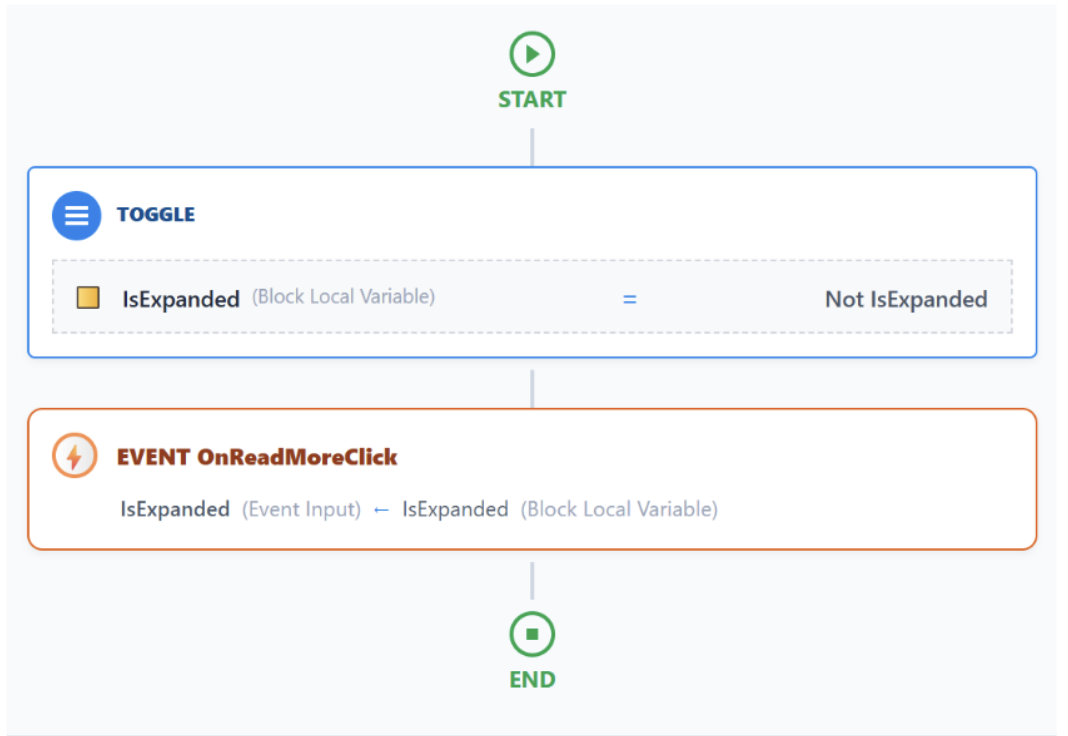
Action and Logic Visualization
You can inspect all required client actions in detail, including logic flows, assignments, and events, ensuring you understand the “why” behind the component’s functionality.
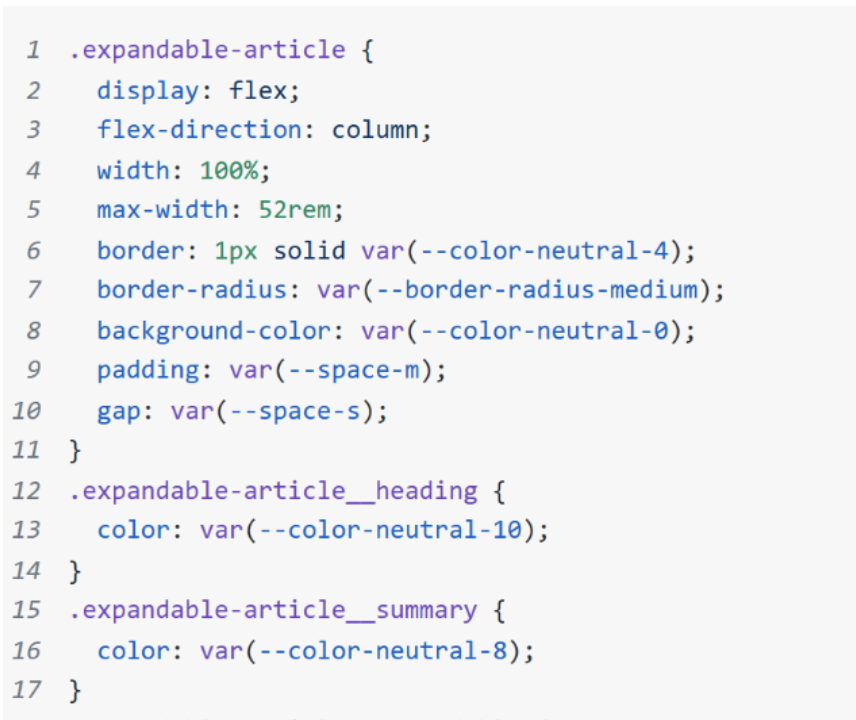
Platform-Ready CSS
Because the agent is trained on OutSystems UI, it produces CSS that is ready to be pasted directly into your module without requiring complex theme changes.
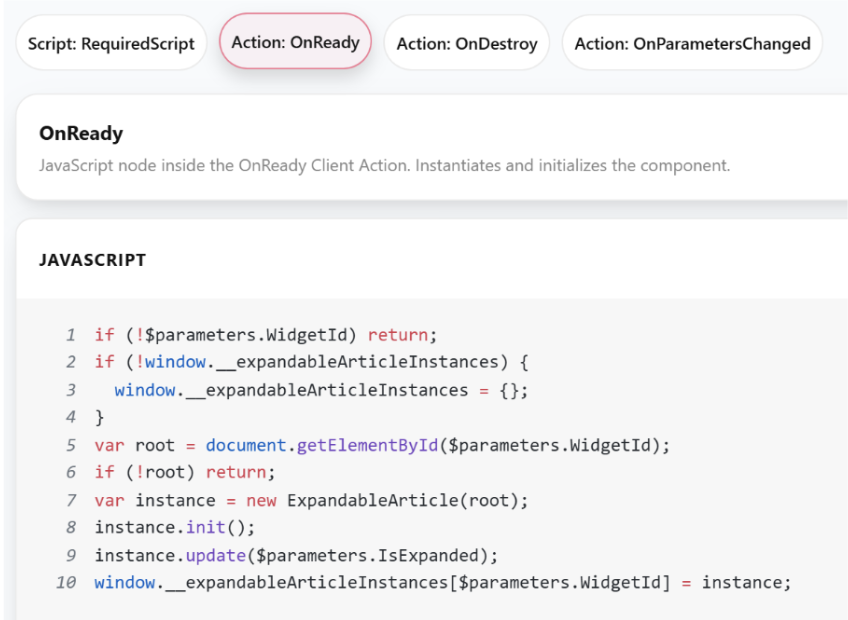
Detailed JavaScript Guide
The agent also handles JavaScript, indicating exactly where to place it, whether it belongs in an OnReady or OnDestroy action or as an external script import.
Dark mode
And finally, for the developers who live in their IDEs: it comes with full dark mode support.
In Conclusion
By automating these complexities, we’ve managed to accelerate development while ensuring every delivery is consistent and high-quality.
We know OutSystems is making great strides in AI, and we believe they’re heading in the right direction. But until the platform handles everything natively, we’re here to make every developer’s life a lot easier.
While OutSystems is an incredible platform and continues to evolve with its own AI capabilities, this tool addresses specific nuances and advanced requirements that aren’t yet natively handled. “OutSystems Components Generator” bridges that gap by delivering specialized, platform-specific outputs that ensure your development workflow remains fast, compliant, and highly polished. All packed with Hi Interactive’s years of knowledge in the front-end area.